
How to Interpret Body Pain Signals
Do you have intermittent pain that has almost become your new normal?
Often we think pain is a part of life and aging, but it is actually our body’s way of communicating that something is not quite right structurally or mechanically. We have sensors throughout the body that register abnormal stress or strain, pressure, and temperature. These sensors are our feedback system to the brain, which then interprets the signal as pain. Ultimately pain signals have to be answered by addressing the structural or mechanical imbalance. Sometimes this can be addressed through rest and self treatment, but if that alone does not lessen your pain, it is in your best interest to seek care.
What does it mean when something hurts?
Our body communicates through specialized sensors and our brain interprets the appropriate response. It’s important to know the difference between pain and sensation when navigating what we feel. Pain is an alarm signal (i.e. too much stress or force on the tissue or joints), sensation is tissue adaptation (like a deep stretch or muscle work). If you burnt yourself on the stove or bent your finger back too far your reaction will be to recoil. With sensation you may feel uncomfortable, but if you breathe and relax, your body will let you stay and maybe even go further.
Have you bought into the slogan “no pain no gain?”
It’s important to know that experiencing pain is not a normal part of fitness. Pain is not productive during activity but rather your body telling you to check in and assess where the abnormal stress or strain is coming from.
If you experience pain during activity here are some things to consider:
Check your ROM (range of motion) before and after. If it is ever made worse after activity that’s a sign that you need to reduce load or intensity.
Check for tissue swelling. Any increase in swelling is a sign that the area is irritated. Chronic swelling inhibits tissue healing.
Examine your form and see if the pain is the result of poor positioning, alignment, or insufficient muscle activation.
What do you know about tissue swelling?
Swelling is the result of increased fluid and white blood cells into an injured area. Swelling is especially important in the first phase of tissue healing (approx. 0-14 days post injury) and will vary from person-to-person, even with the same injury. We need the swelling response to heal, but our bodies tend to over do it, so it’s a good idea to mitigate swelling immediately.
Some things to know:
If swelling persists past 2-3 weeks it may be a sign of missed injury (i.e. fracture or joint displacement for example), an inadequate healing environment, or inappropriate return to activity (i.e. too much load/force/impact too soon)
Three things that can help diminish swelling in the limbs: elevation (above the level of the heart), movement (engages the skeletal muscle pump), and stimulate the lymphatic system (i.e. “Dry Brushing” or contrast bath)

Here we share our knowledge of the extensor digitorum muscle, its referral pattern, and how to self assess whether your finger pain is related to this muscle. If it is, the following could help you finally find relief from your nagging finger knuckle pain.

If you're experiencing knee pain, then quad dominance could be a contributing factor. We'll share a simple and effective ways to self-assess and self-treat this common issue.
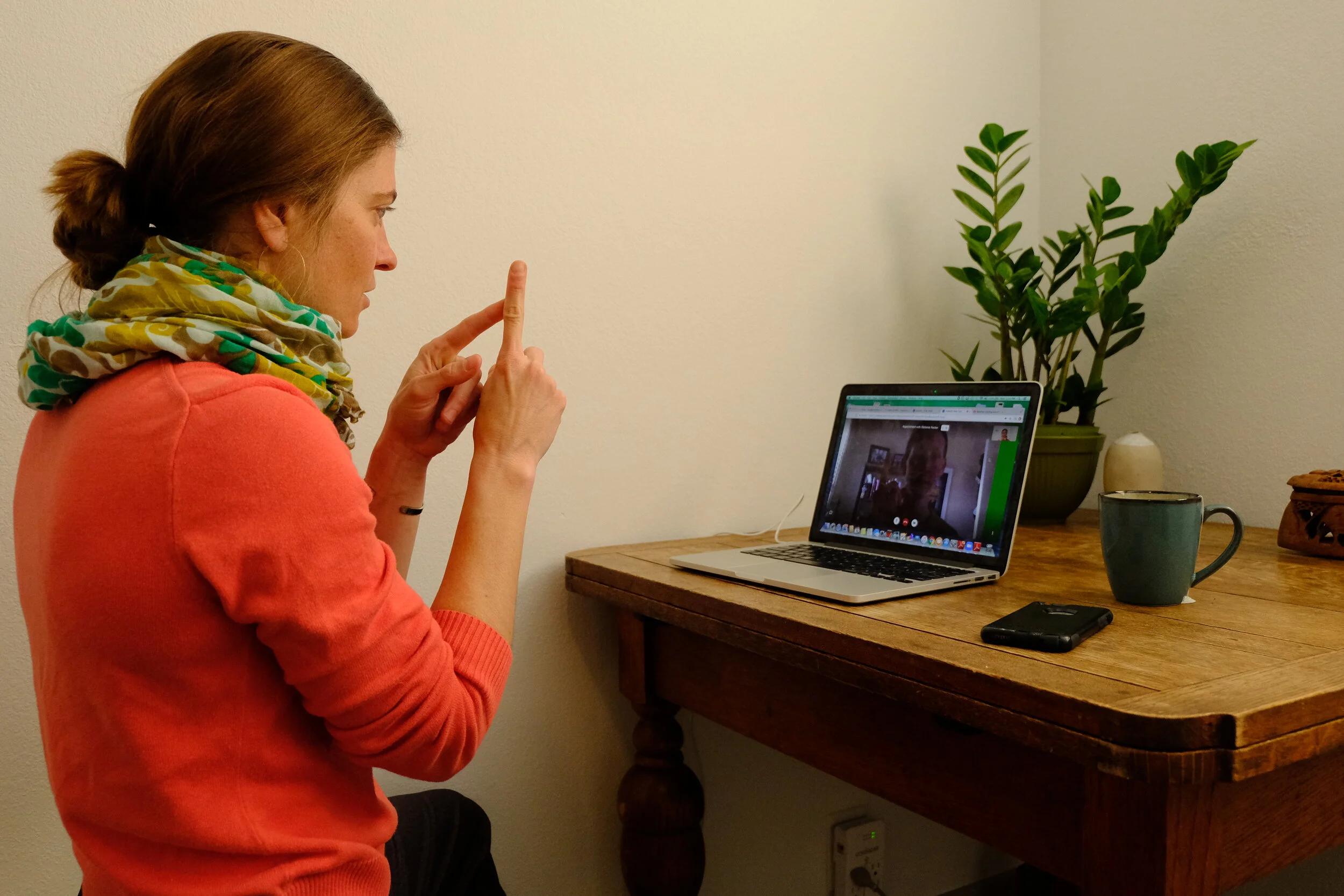
Grassroots now offers physical therapy and wellness consultations via telehealth. Nine states in addition to Utah and new service offerings make working with us more accessible than ever.

We value education and transparency, so we’ll explain in more detail why we don’t directly network with insurance providers. We want to give you the information you’ll need to navigate the tricky world of insurance, including seeking reimbursement for yourself if your plan covers it.

In the second installment of the Knowledge Quest, BD Athlete Sam Elias and DPT Esther Smith dive deeper into the training involved in rebuilding our core, rehabbing injury, and breaking through grade plateaus with this newfound understanding.

Esther Smith, DPT of Grassroots Physical Therapy, and BD Athlete Sam Elias share how knowledge of human anatomy and body mechanics can help us climb stronger and resolve injury.

There are many different taping techniques out there to support healing finger injuries. Here we outline some of our favorite therapeutic taping methods.

Do you have intermittent pain that has almost become your new normal? What does it mean when something hurts? Have you bought into the slogan “no pain no gain?” What do you know about tissue swelling?

The hangboard is often thought of as an apparatus that can strain the tendons in your fingers. In this installment of the Hang Right series, Physical Therapist Esther Smith explains how the hangboard is actually the perfect rehabilitation tool to heal nagging finger injuries.
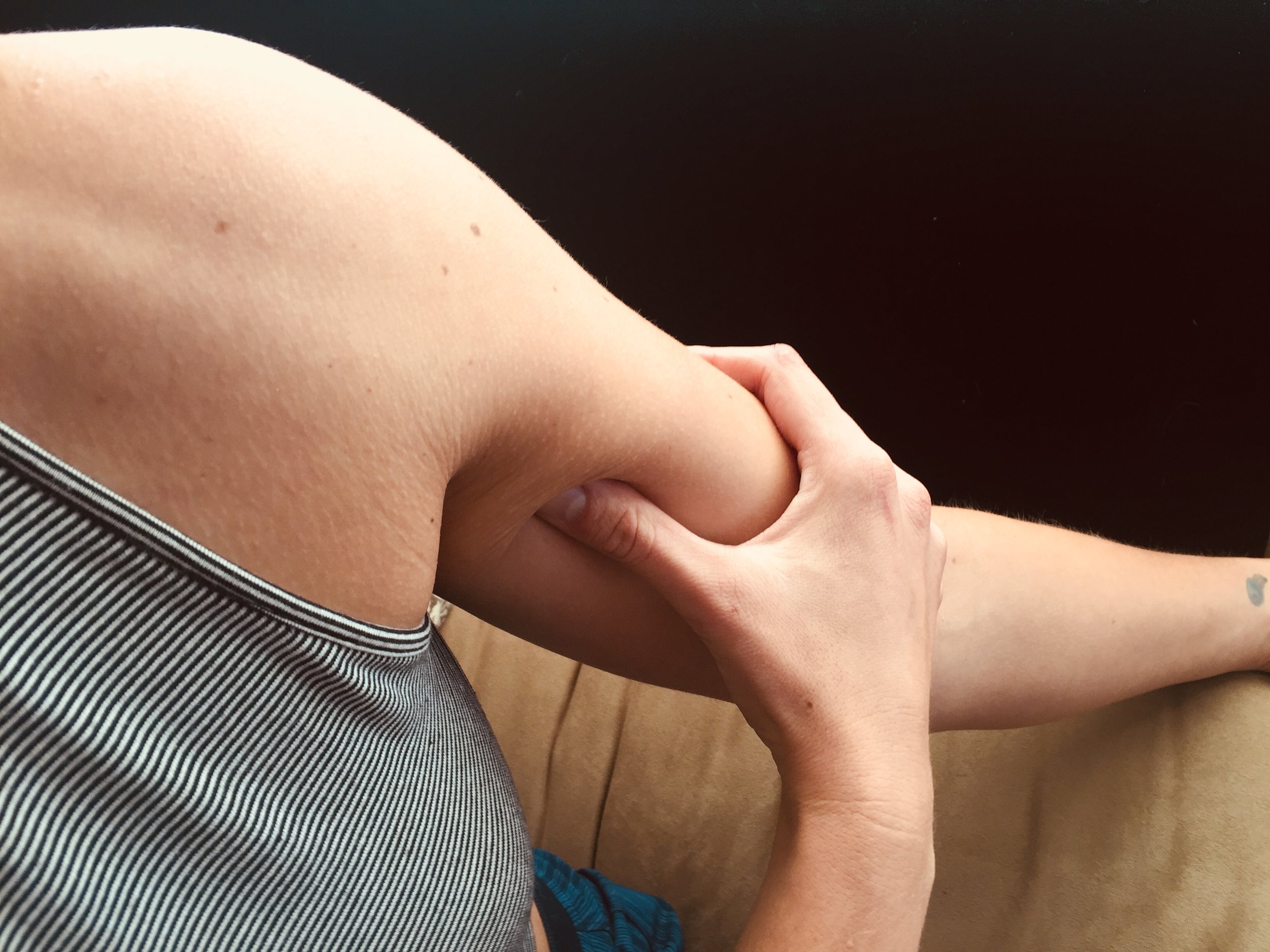
Do you spend time self massaging to recover from activity or injury? How long should you self massage? What should you focus on when you are massaging injured muscles? What should you feel after you self massage? What should you feel after you self massage?

It's hard to find a climber who hasn't experienced elbow pain at some point. You’ve likely lowered from many a route rubbing your elbow to ease a nagging ache in your arm. Such was the case with BD Ambassador Brittany Griffith … that is, until she met Esther Smith. In the second installment of their Hang Right series, Physical Therapists Esther Smith and Katey Blumenthal explain the cause of elbow pain and tell us what we can do about it.

The bottom line is that if you injure your pulley, just get something on there to offload the healing tissue. By offloading the tissue you can help reduce stress to the healing pulley, and at the very least it will help you avoid tendinopathies from developing. From this point forward, you now know why H-tape is the method of choice thanks to the diligent research from Dr. Schöffl and her team, and all of the collaborators that helped shed light on the topic.

In Part 2, I’d like to shed some light on pulley injury specifics, including the injury grading system and what tissues/structures are affected, and then I will walk you through what conservative management of a pulley injury looks like. The good news for climbers today is that climbing-specific surgeons, like Dr. Volker Schöffl, now view surgery as a last resort for single pulley injuries, and only recommend it for multiple pulley ruptures. I will finish with some injury prevention strategies to keep you all climbing strong and healthy.
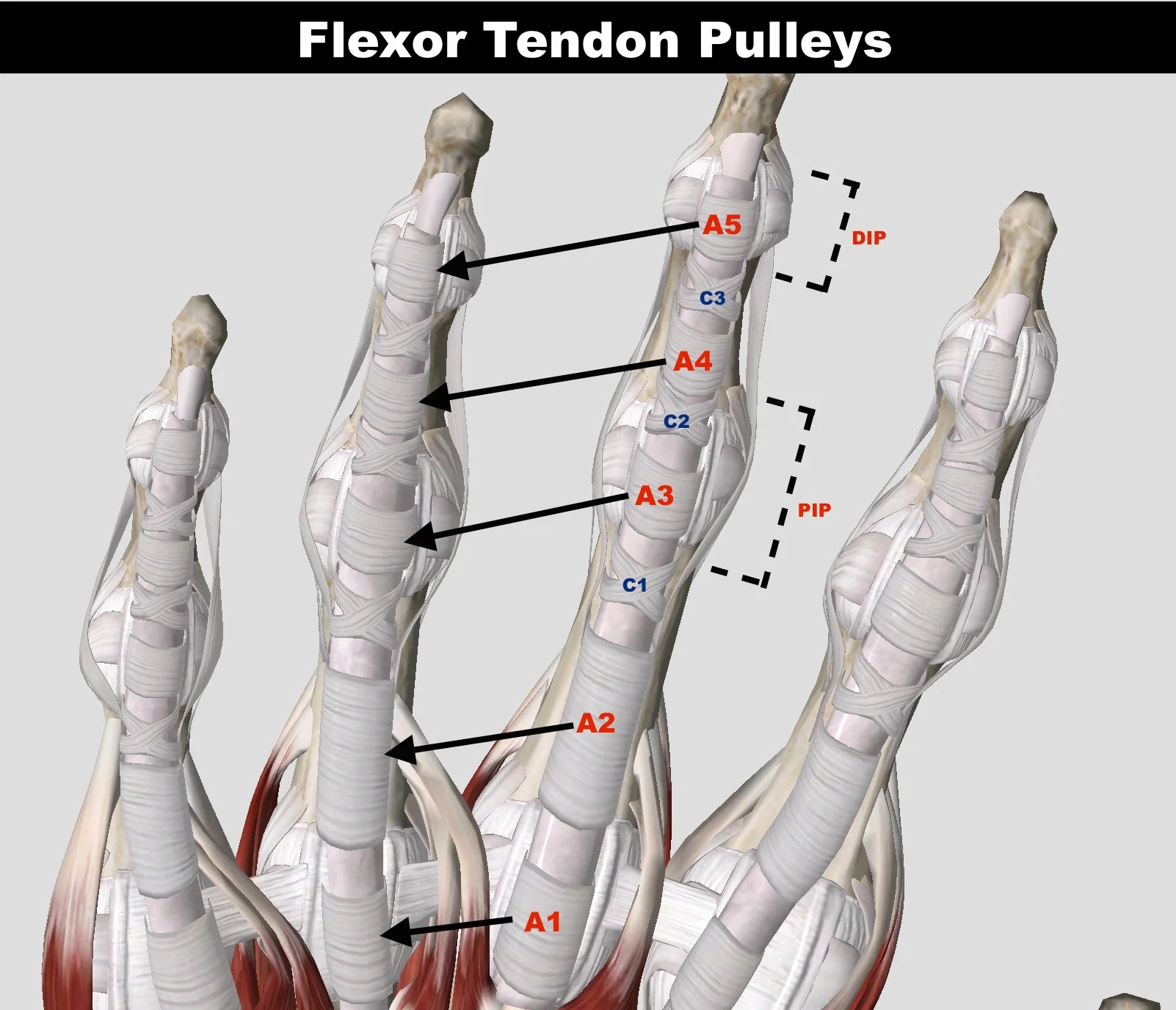
If you’re a climber, chances are you have either had a finger injury, or at least you know someone who has had one. According to the research literature, namely Doctors Volker Schöffl1, Alex Folkl, and Erik Gerdes, finger injuries are the number one culprit, with A2 pulley injuries being the most common.
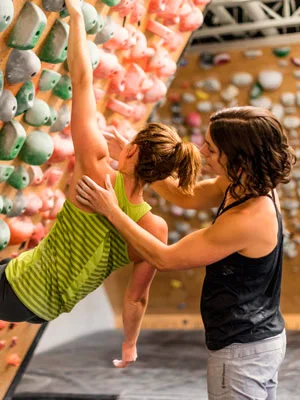
It’s a myth of climbing beta that we’ve all heard: hanging on your bones instead of engaging muscles conserves energy while resting on a climb. The fallacy of this myth is that the human body is not manufactured to function like a bag of rocks. Hanging loose puts undue stress, wear, and tear on the soft tissues that function to connect the bones in our shoulders, leading to a host of insidious injuries. The wild thing is that climbers are hanging loose even when energy conservation isn’t a concern, such as on the hangboard or pull-up bar.

It seems almost EVERYONE is drinking or incorporating bone broth into their diet now. In the last few years this ancient superfood has returned with a force in the health, athletic, and culinary worlds.

For those of us who train, whether a weekend warrior or high level competitive athlete, if we want to maximize both our training gains and performance, magnesium levels are key.

Is inflammation getting you down?
Following injury, whether from a specific traumatic event or as a result of accumulative, repetitive stress, our body responds by initiating an inflammatory cascade of events targeting the injured tissue. This inflammatory response is carried out by a predictable series of events intended to clean up cellular debris, repair the insulted tissue, and allow return to normal function over the course of weeks to months.

In my nutritional training course we discussed the roles of fats in the body. One of the most important concepts to grasp is that our human machine is meant to burn fat as our primary fuel source for sustained energy.

New research is showing that our microbiome plays a role in immune function & development, brain activity, heart health, diabetes, inflammation and even obesity.

Longer days in the mountains require proper hydration and nutrition to keep your body balanced and functioning optimally. Electrolytes are a vital component, especially in the heat of summer when the same output creates more sweating (water and mineral loss). Check out a favorite Grassroots PT homemade electrolyte recipe that beats some of the top brands on the market in terms of single serving electrolyte quantities!
Rock climbing increases the risk of developing Dupuytren’s contracture, a thickening and tightening of the tissues in the palm of the hand.